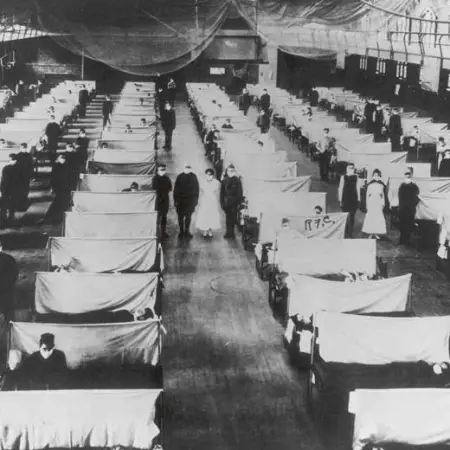
The 1918 influenza pandemic infected around a third of the world’s population, with deaths amounting to at least 50 million. Caused by the H1N1 virus, this flu was one of the most severe epidemics in history.
Influenza is an infectious disease which targets the respiratory system — the nose, throat, and lungs. This is why it spreads through releasing flu viruses in droplets into the air, mainly when infected people cough, sneeze, and talk.
In the case of the 1918 pandemic, the spread was facilitated by the movement of troops during World War I, causing many healthy, young men to fall ill. The virus then continued to infect the civilian population. A hundred years later, people still remember the pandemic’s impact. Even health institutions now are preparing measures in case a similar scenario occurs in today’s globalized world.
Flu infections mainly occur during flu “seasons” lasting from late fall to spring. This flu season obviously is not as severe as that a hundred years ago, but contrary to its reputation as a disease that is not very serious, people still die from flu or flu-related complications every year. During the 2017-2018 flu season, deaths skyrocketed to around 80,000 people, breaking the previous high of 56,000. This highlights the importance of vaccination in preventing the spread of this disease, as less than half of the US population had been vaccinated in previous years.
According to Mrs. Alvarez, a health teacher at Interlake, “there’s a lot of misinformation about [the flu vaccine].” Hence why, regardless of whether parents are for or against vaccination it’s still extremely important to be “educating yourself about it.” It’s also important to be “washing your hands as much as possible, and being aware of what kind of things might spread it [such] as sharing drinks or cosmetics, and if you’re in a classroom and the desk looks dirty, ask your teacher if there are things that you can do to sanitize your desk. Just those little things . . . can be really helpful,” says Alvarez.